If you picture Santa Barbara living as morning bluff walks, quick beach access, and a neighborhood feel that still keeps you close to downtown, the Mesa likely belongs on your radar. For many buyers, the challenge is understanding what the Mesa really offers, because it is not just one type of home or one kind of lifestyle. This guide will help you see how the Mesa is laid out, what daily life feels like, and how the local housing market varies from pocket to pocket. Let’s dive in.
Why the Mesa Stands Out
The Mesa is Santa Barbara’s bluff-top coastal neighborhood area, stretching from Arroyo Burro Beach to the western edge of Santa Barbara City College and inland to Cliff Drive. City planning documents describe it as about 635 acres of relatively level coastal bluffs, averaging roughly 150 feet in elevation.
That geography shapes the neighborhood’s identity. Instead of feeling dense or urban, the Mesa reads more like a coastal-residential area, with many single-unit homes lining the bluff edge and residential streets connecting to parks, beaches, and local commercial pockets.
For many buyers, that balance is the draw. You get an ocean-oriented lifestyle with easier access to outdoor spaces, while still staying reasonably close to downtown Santa Barbara, the harbor, and SBCC.
East Mesa vs. West Mesa
One of the most important things to know is that the Mesa is not a single, uniform market. The city generally treats it as two related subareas: West Mesa and East Mesa.
West Mesa Feel
West Mesa is mostly made up of single-family housing. It also includes a commercial center around Cliff Drive and Meigs Road, which adds convenience for everyday errands and casual neighborhood stops.
This part of the Mesa often appeals to buyers who want a more classic neighborhood setting. Housing can still vary, but the overall pattern is strongly residential.
East Mesa Feel
East Mesa is described by the city as a small-lot single-family neighborhood with some multifamily pockets near Oceano and Barranca Avenues. It also connects to the same broader Cliff Drive and Meigs Road commercial area.
In practical terms, East Mesa can feel a bit tighter in inventory and different in housing form, depending on the exact street and proximity to the bluff or views. That matters if you are comparing homes and wondering why prices can shift so much within the broader Mesa name.
Mesa Lifestyle and Outdoor Access
If your ideal routine includes being outside often, the Mesa has a lot to offer. Its outdoor appeal is one of the clearest reasons buyers focus on this part of Santa Barbara.
Douglas Family Preserve
Douglas Family Preserve is one of the Mesa’s signature amenities. The city describes it as a 68.35-acre open-space park above Arroyo Burro Beach, with walking trails, scenic ocean views, and designated off-leash dog areas.
For people who want easy access to open space, this is a major part of the neighborhood’s lifestyle value. It gives you a place to walk, take in the coastline, and enjoy a daily routine centered around the outdoors.
Beach Access and Bluff Views
The Mesa is strongly tied to beach living, but usually in a bluff-access way rather than direct sand-front living. Mesa Lane Steps provide the only beach access from the cliffs for one mile in either direction, and Thousand Steps sits about one mile east of Mesa Lane.
Shoreline Park adds another layer to the experience. It offers blufftop lawns, walking paths, Channel Islands views, a whale-watching area, and a stairway to the beach.
Leadbetter Beach, located between the harbor and Shoreline Park across from SBCC, is known for beginning surfers, windsurfers, sailboats, walking, jogging, and sunbathing. Together, these coastal access points make the Mesa feel deeply connected to the shoreline.
Walking and Recreation
Santa Barbara’s coastal trail system strengthens the Mesa lifestyle even more. City coastal trail materials describe more than six miles of paved multi-use paths adjacent to popular beaches and open-space areas.
That supports a daily rhythm built around walking, biking, and time outside. If that matters more to you than living in the busiest commercial core, the Mesa has a strong lifestyle case.
What Homes in the Mesa Look Like
The Mesa offers more housing variety than many buyers expect. That variety is one reason neighborhood expertise matters here.
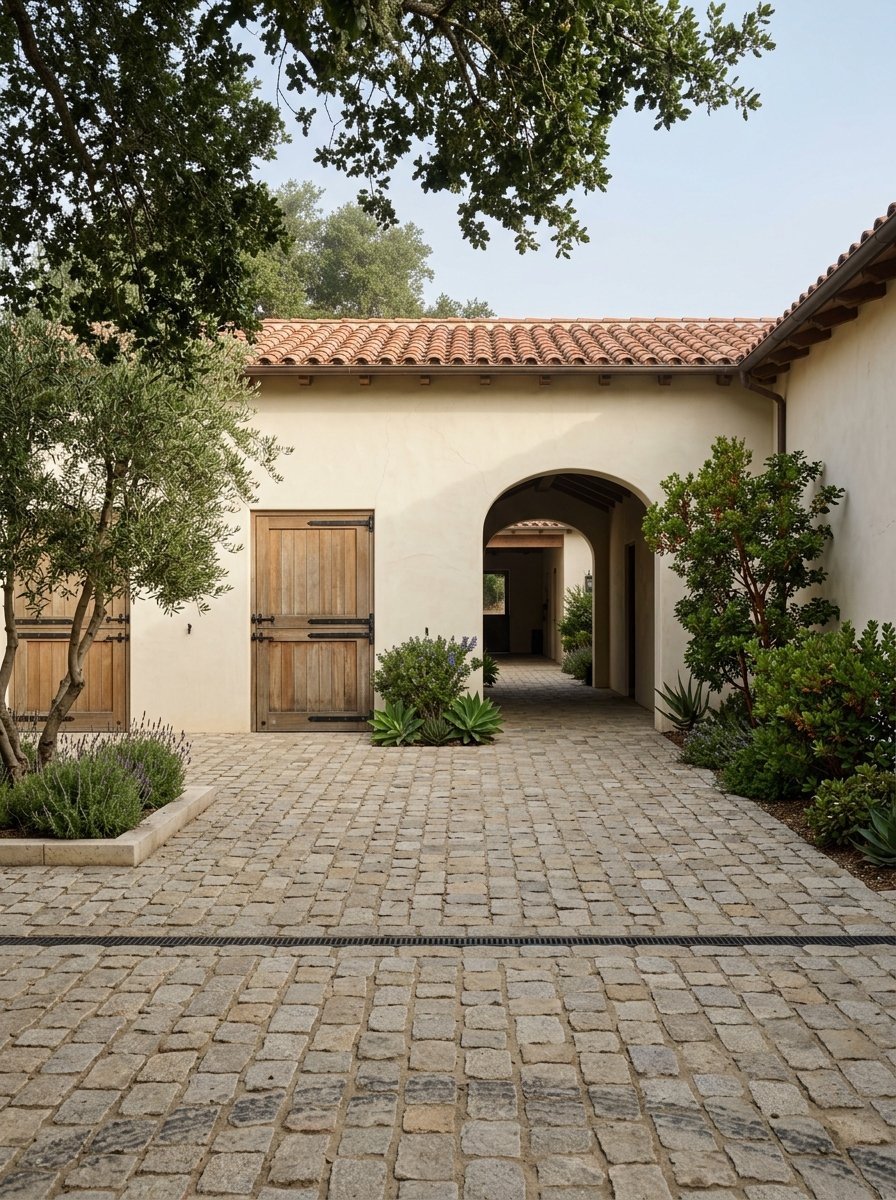
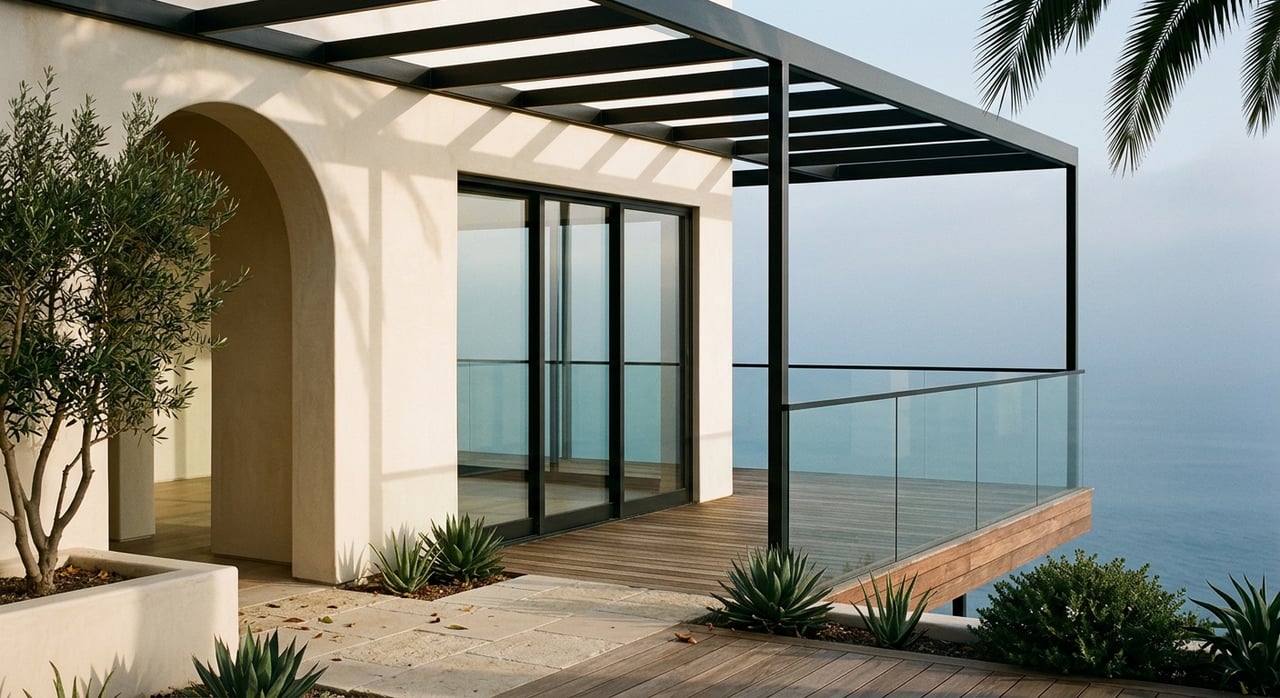
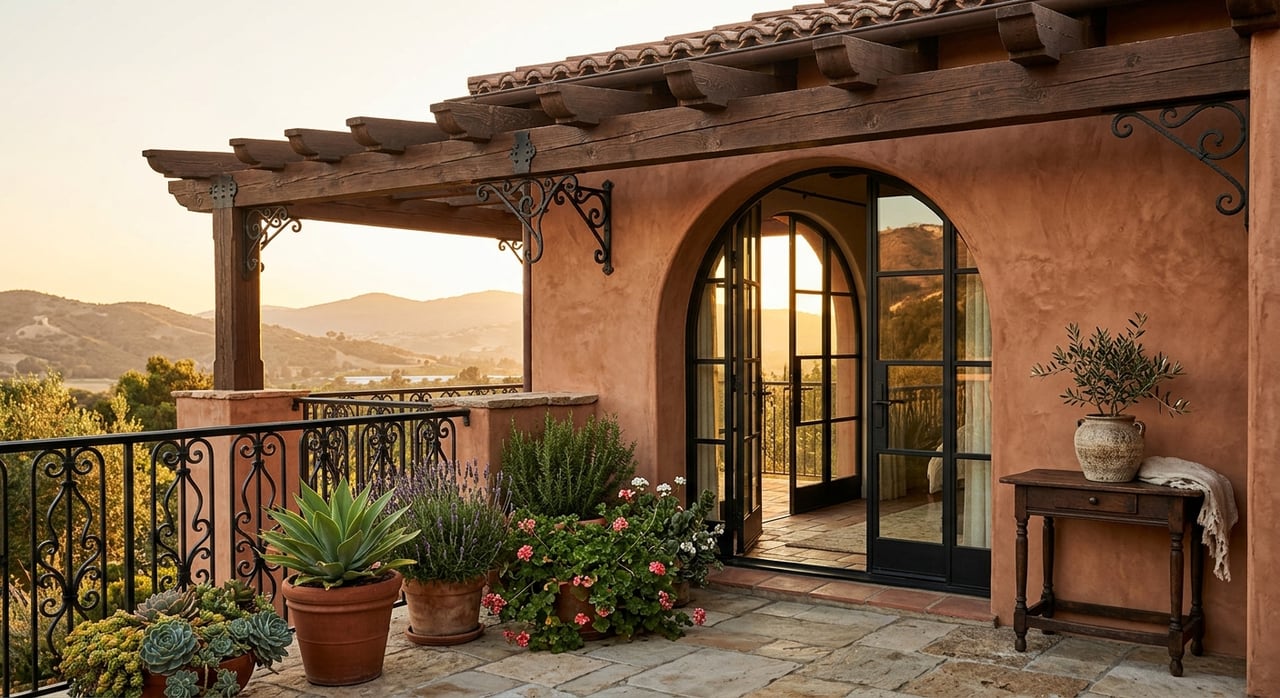
Recent listing examples have included renovated beach bungalows, coastal cottages, a 1926 Spanish-inspired home, a 1957 mid-century modern home, and soft contemporary properties. So when someone says “Mesa home,” they could be talking about something with classic Santa Barbara character, a smaller cottage, an attached home, or a more updated coastal property.
That range can be helpful if you want options. It also means you should compare homes carefully based on exact location, lot size, view orientation, and renovation level rather than relying only on the neighborhood name.
Mesa Real Estate Prices and Competition
The Mesa is a premium market, but pricing can vary meaningfully by subarea and property type. That is especially true when you compare East Mesa and West Mesa.
Redfin reported a Mesa median sale price of $2,074,302 in May 2026 and described the neighborhood as very competitive, with a median of 32 days on market. Realtor.com reported a Mesa median listing price of $2.75 million with 19 homes for sale, while Zillow placed West Mesa home value at $2,203,885.
On the East Mesa side, Realtor.com reported a median listing price of $3.85 million with just 7 homes for sale. It also noted that homes sold for about asking on average in May 2026.
These figures are measured differently, so they are not direct one-to-one comparisons. Still, taken together, they suggest a market where West Mesa often sits in the low-to-mid $2 million range, while East Mesa can trend higher and feel tighter on available inventory.
What Drives Value in the Mesa
In the Mesa, value is especially location-sensitive. Two homes with similar square footage can perform very differently depending on where they sit.
Some of the biggest factors include:
- Proximity to Shoreline Drive
- Distance to Cliff Drive and Meigs Road amenities
- Ocean or bluff views
- Lot size
- Detached versus attached housing type
- Level of updating or renovation
This is one of those Santa Barbara neighborhoods where micro-location matters a great deal. A street-by-street view is often more useful than broad countywide averages.
Walkability and Convenience
Walkability on the Mesa is real, but uneven. Some pockets support more convenient daily errands than others.
Walk Score rates West Mesa at 54, or “somewhat walkable,” and East Mesa at 44. A point near Cliff Drive and Meigs Road scores 80, which Walk Score labels “very walkable.”
That tells you something important about the neighborhood. The Mesa can offer convenience, but it is more pocket-specific than uniformly urban.
For commuting and day-to-day access, sample Mesa locations show downtown Santa Barbara at roughly 7 to 8 minutes by car and about 13 to 16 minutes by bike. That can be a strong middle ground if you want coastal living without being in the downtown core.
Who the Mesa Fits Best
The Mesa tends to make the most sense for buyers who are choosing lifestyle first, then matching that lifestyle to the right pocket and property type.
It may be a strong fit if you want:
- Beach access and bluff walks as part of daily life
- Easy access to dog-friendly open space
- A short drive or bike ride to downtown, the harbor, or SBCC
- A mix of cottages, bungalows, character homes, and updated properties
- A neighborhood setting rather than a dense commercial grid
It may require a closer look if your top priority is having the same level of walkability on every block. Because of the bluff-top geography and concentrated commercial areas, the experience can change from one section of the Mesa to another.
Why Local Guidance Matters in the Mesa
The Mesa is appealing because it offers a very specific kind of Santa Barbara lifestyle. It is coastal, residential, outdoorsy, and still connected to the rest of the city. But it also asks buyers and sellers to pay close attention to pocket, views, home style, and pricing differences within a relatively compact area.
That is where thoughtful local guidance can make a real difference. When you understand not just the Mesa as a whole, but the differences between East Mesa, West Mesa, bluff-adjacent streets, and interior pockets, you can make more confident decisions and avoid oversimplifying the market.
If you’re considering a move in the Mesa, working with someone who knows how lifestyle and value intersect can help you narrow your options and move forward with clarity. To talk through Mesa homes, pricing, or your next move in Santa Barbara, connect with Tiffany Charbonneau.
FAQs
What is the Mesa neighborhood in Santa Barbara known for?
- The Mesa is known for its bluff-top coastal setting, beach access, open-space amenities like Douglas Family Preserve, and a residential lifestyle that stays close to downtown Santa Barbara.
What is the difference between East Mesa and West Mesa in Santa Barbara?
- West Mesa is mostly single-family housing, while East Mesa is described as a small-lot single-family area with some multifamily pockets, and pricing and inventory can differ between the two.
What types of homes are available in the Mesa neighborhood?
- Homes in the Mesa can include beach bungalows, coastal cottages, Spanish-inspired homes, mid-century modern properties, contemporary homes, condos, and other attached or detached residential options.
How expensive is the Mesa real estate market in Santa Barbara?
- Recent data points to a premium market, with a Mesa median sale price of about $2.07 million in May 2026, West Mesa values around the low-to-mid $2 million range, and East Mesa listing prices trending higher.
Is the Mesa neighborhood walkable for daily errands?
- Walkability varies by pocket, with West Mesa rated somewhat walkable, East Mesa rated lower overall, and the Cliff Drive and Meigs Road area offering stronger walkable convenience.
Is the Mesa a good fit for buyers who want beach access in Santa Barbara?
- The Mesa can be a strong fit if you want regular access to beaches, bluff walks, parks, and coastal recreation, even though much of its beach access is from the bluffs rather than direct beachfront living.