If you are thinking about buying in Hope Ranch, you are probably looking for more than just a house. You may want land, privacy, a coastal setting, and room for a lifestyle that feels hard to find elsewhere in Santa Barbara. This guide will help you understand how Hope Ranch works, what equestrian living really means here, and what to expect before you buy. Let’s dive in.
Hope Ranch at a Glance
Hope Ranch is an unincorporated Santa Barbara County community in the coastal zone, located between Highway 101 and the ocean according to the Hope Ranch Homeowners Association. The community includes 773 lots across 1,863 acres, with a layout shaped by roads, utilities, and bridle trails established in the 1920s.
That scale helps explain why Hope Ranch feels different from many other Santa Barbara neighborhoods. Parcels vary in size and shape, and while a simple average works out to about 2.41 acres per lot, that figure is only a rough planning benchmark because the lots are irregular.
What Makes Hope Ranch Distinct
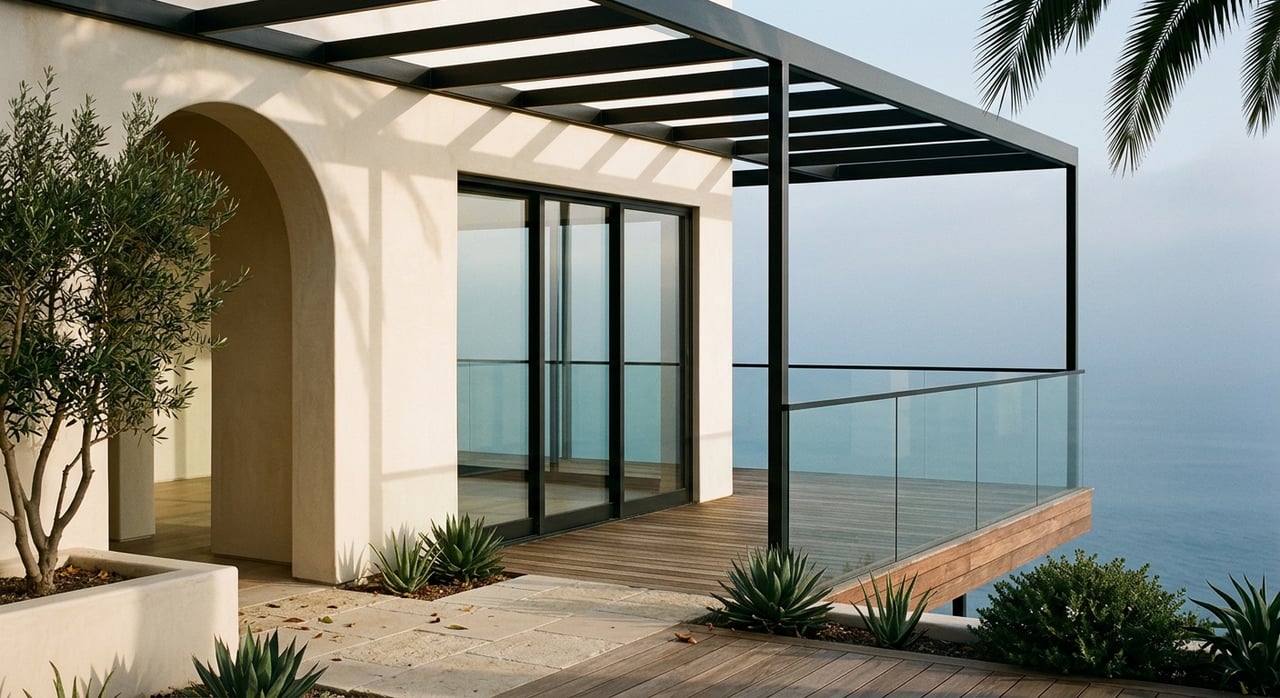
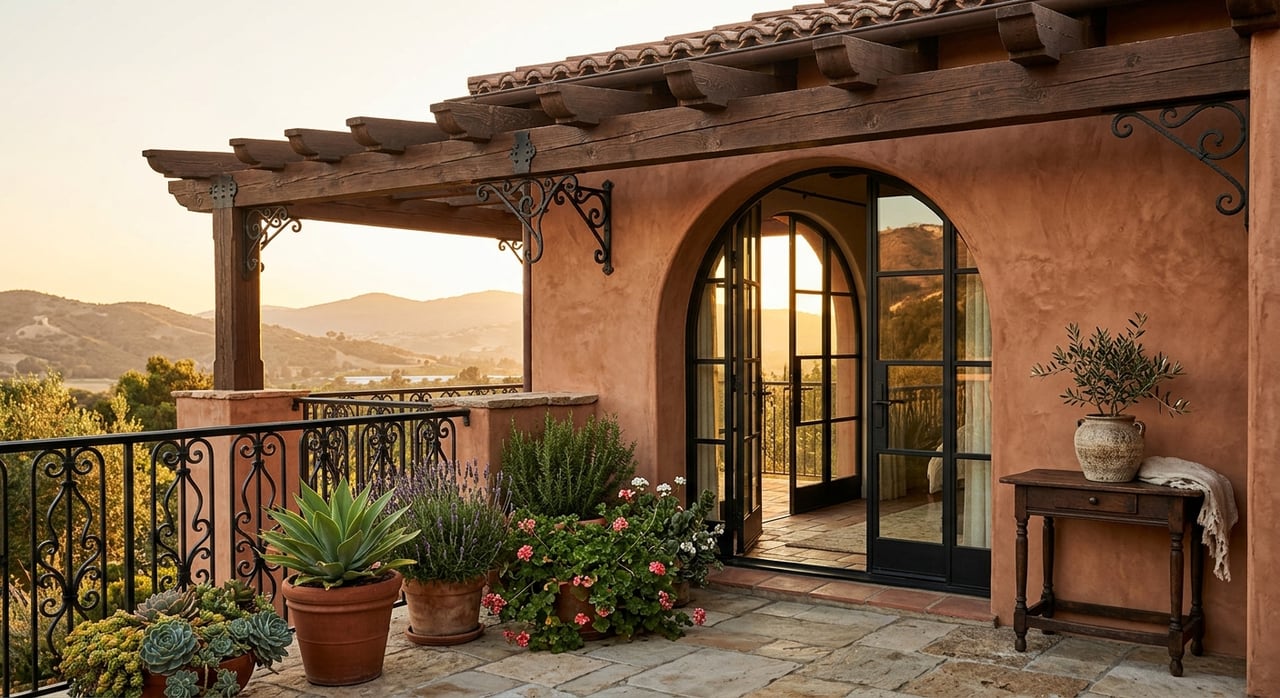
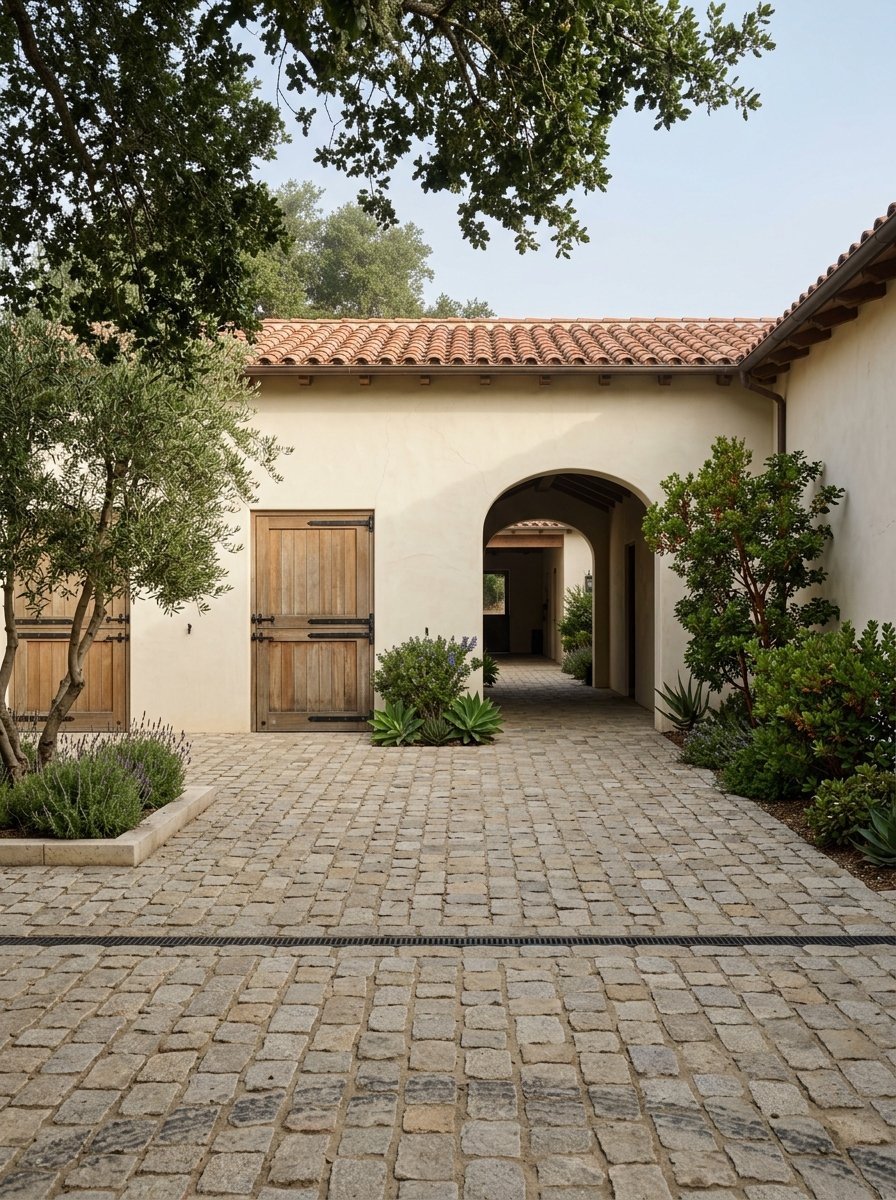
Hope Ranch appeals to buyers who want estate-style living with a strong sense of privacy and space. In practical terms, that often means larger homesites, more separation between properties, and room for features that may include guesthouses, garages, paddocks, corrals, and long driveways.
It is also a community with a defined structure. Ownership here typically includes not just county rules, but also Association guidelines and use rules that shape how properties are improved and how shared amenities are accessed.
Equestrian Living in Hope Ranch
One of the biggest draws in Hope Ranch is its equestrian design. The Association rules describe the community as one created for both pedestrians and horse riders, and the bridle trail system remains a core part of that identity.
These bridle trails are Association-controlled common areas. Standard trail dimensions are 10 feet wide with 12 feet of vertical clearance, and some trails located between private properties are designated for horse use only.
For buyers who ride, that matters because the trail network is not just a visual feature. It is part of how the community functions day to day, and it supports a lifestyle that is rare in such a close-to-the-coast location.
Rules that affect horse use
If equestrian access is part of your buying decision, it helps to understand the basic operating rules early. Guest use of the trails is by invitation, and horse trailers are expected to be kept on the host member’s property.
The private roadway system also generally uses a 25 mph speed limit. That slower pace fits the pedestrian and horse-friendly design of the neighborhood and helps reinforce the overall rhythm of the area.
Estate features buyers may value
The Hope Ranch building guidelines contemplate improvements often associated with luxury and equestrian ownership. These may include corrals, paddocks, garages, existing driveways, guesthouses, and ADUs or JADUs, depending on the property and approval path.
For many buyers, that flexibility is part of the appeal. You are not just buying a home, you may be buying the framework for a more customized estate lifestyle.
Coastal Amenities and Private Access
Hope Ranch is not only about land and horses. The Association also maintains the Hope Ranch Beach Park, picnic grounds, and tennis courts, which add another layer to the ownership experience.
Access to these amenities is limited to owners, family members, and guests, with beach access managed through beach cards and member accompaniment. The rules also allow seasonal operating hours and set specific limits for horses and dogs at the beach.
For buyers comparing Hope Ranch with other luxury areas, this combination of private amenity structure and estate-scale property is a meaningful differentiator. It creates a lifestyle that blends coastal access with a more land-oriented residential pattern.
Zoning and Lot Size Basics
Hope Ranch is covered by Santa Barbara County’s EX-1 zoning district, which was created for the Hope Ranch coastal zone to protect residential character. Depending on the parcel’s zoning symbol, the county code shows minimum gross lot areas of 1.5, 2.5, or 3.5 acres.
That matters because zoning affects what can be built, expanded, or reconfigured. If you are comparing properties, two homes in the same community may still have different development possibilities based on their parcel specifics.
Why lot size is not one-size-fits-all
Because Hope Ranch lots vary in shape and size, it is important not to rely only on a broad neighborhood average. A property’s exact lot area, building envelope, and site conditions can all affect how usable the land feels in real life.
This is especially important if you are hoping for horse facilities, a guesthouse, an ADU, or future remodeling. In Hope Ranch, the details of the individual parcel matter a great deal.
What the Approval Process Looks Like
Buyers are often surprised to learn that improving a Hope Ranch property can involve more steps than in a typical subdivision. In the coastal zone, development requires coastal development permits, and the Association’s building guidelines add another layer of review.
According to those guidelines, owners generally move through conceptual, preliminary, and final Association approval before the county permit is issued. The guidelines also address topics such as setbacks, square-foot limits, guesthouses, ADUs and JADUs, and consultation with County Environmental Health for private on-site wastewater systems.
What this means for buyers
If you are buying a property with plans to remodel, expand, or add estate improvements, due diligence is especially important. A home that looks ideal today may still require a detailed review to confirm what changes are possible.
This does not mean improvements cannot happen. It simply means the process is usually more involved, and buyers are best served by understanding that early rather than after closing.
Rental Rules to Know Before You Buy
Hope Ranch is generally a poor fit for buyers who want short-term rental flexibility. The governing rules state that no lot may be rented for less than 30 days, and rentals marketed on vacation rental platforms such as Airbnb are treated as commercial use and are prohibited.
That rule can be important for second-home buyers and investors. If your plan depends on short stays or vacation rental income, Hope Ranch may not match your goals.
Price Point and Market Position
Hope Ranch sits at the top end of the local market. Santa Barbara Association of Realtors March 2026 data shows a median sales price of $7,037,500 in Hope Ranch based on 10 closed sales, compared with $5,400,000 in Montecito and $2,230,000 in Santa Barbara.
At the same time, this is a thinly traded submarket. With relatively few sales, monthly median prices can swing sharply, so one month of data does not always tell the full story.
How buyers should read the numbers
For luxury buyers, Hope Ranch pricing reflects more than square footage alone. Land, privacy, community structure, equestrian access, and private amenity access all influence value here.
That is why buying in Hope Ranch usually requires a property-by-property view rather than a simple price-per-square-foot comparison. Context matters, and so does understanding how one estate differs from another.
Who Hope Ranch Fits Best
Hope Ranch tends to suit long-term buyers who want estate-scale land, privacy, and a blend of equestrian and coastal living. It can be especially appealing if you value space, a more established ownership structure, and a residential environment shaped by both county and Association oversight.
It may be less appealing if you want low-maintenance living, easy remodel timelines, or short-term rental flexibility. In that sense, buyer fit matters as much here as budget.
Smart Questions to Ask Before Buying
Before you move forward on a Hope Ranch property, it helps to get clear answers to a few key questions:
- What is the parcel’s exact zoning symbol and minimum lot area requirement?
- Are there existing approvals, nonconforming features, or improvement limits tied to the property?
- If you want horses, where are the nearest bridle trail connections and what on-site features already exist?
- If you want to remodel, what would the Association and county review path likely involve?
- Does the property rely on a private on-site wastewater system that may require Environmental Health consultation?
- Are your ownership goals aligned with the 30-day minimum rental rule?
These questions can save time and help you focus on properties that truly fit your plans.
Why Local Guidance Matters
Hope Ranch is a very specific market. Between irregular lots, coastal zone rules, Association review, equestrian features, and a small number of annual sales, the buying process often calls for close attention to detail.
If you are considering a purchase here, the right guidance can help you look beyond the surface and evaluate how a property supports your lifestyle, your timeline, and your long-term goals. For a community as nuanced as Hope Ranch, that clarity matters.
If you are exploring Hope Ranch and want thoughtful, hands-on guidance through the buying process, Tiffany Charbonneau can help you evaluate properties with a local, detail-focused perspective.
FAQs
What kind of lots are common in Hope Ranch?
- Hope Ranch consists of acreage parcels that vary in size and shape, and the community includes 773 lots across 1,863 acres, which works out to a rough average of about 2.41 acres per lot.
What zoning applies to Hope Ranch properties?
- Hope Ranch is in Santa Barbara County’s EX-1 district, with minimum gross lot areas of 1.5, 2.5, or 3.5 acres depending on the parcel’s zoning symbol.
What makes Hope Ranch equestrian living unique?
- Hope Ranch includes Association-controlled bridle trails designed for horse riders and pedestrians, with standard trail dimensions of 10 feet wide and 12 feet of vertical clearance.
What amenities do Hope Ranch owners have access to?
- Owners have access to Association-maintained amenities including Hope Ranch Beach Park, picnic grounds, and tennis courts, subject to the community’s access rules.
What should buyers know about remodeling in Hope Ranch?
- Remodeling or expanding usually involves both Association review and county permits, and development in the coastal zone requires a coastal development permit.
Are short-term rentals allowed in Hope Ranch?
- No. The rules state that lots may not be rented for less than 30 days, and vacation rentals advertised on short-term rental platforms are prohibited.
How expensive is the Hope Ranch market compared with nearby areas?
- March 2026 data from the Santa Barbara Association of Realtors showed a median sales price of $7,037,500 in Hope Ranch, compared with $5,400,000 in Montecito and $2,230,000 in Santa Barbara.