A Riviera view can stop you in your tracks, but buying the right home here takes more than falling in love with the horizon. On Santa Barbara’s Riviera, value is shaped by elevation, slope, street layout, access, and what the city may allow you to change later. If you are thinking about buying a view home in this hillside neighborhood, this guide will help you look beyond the panorama and focus on the details that matter most. Let’s dive in.
Why Riviera views command attention
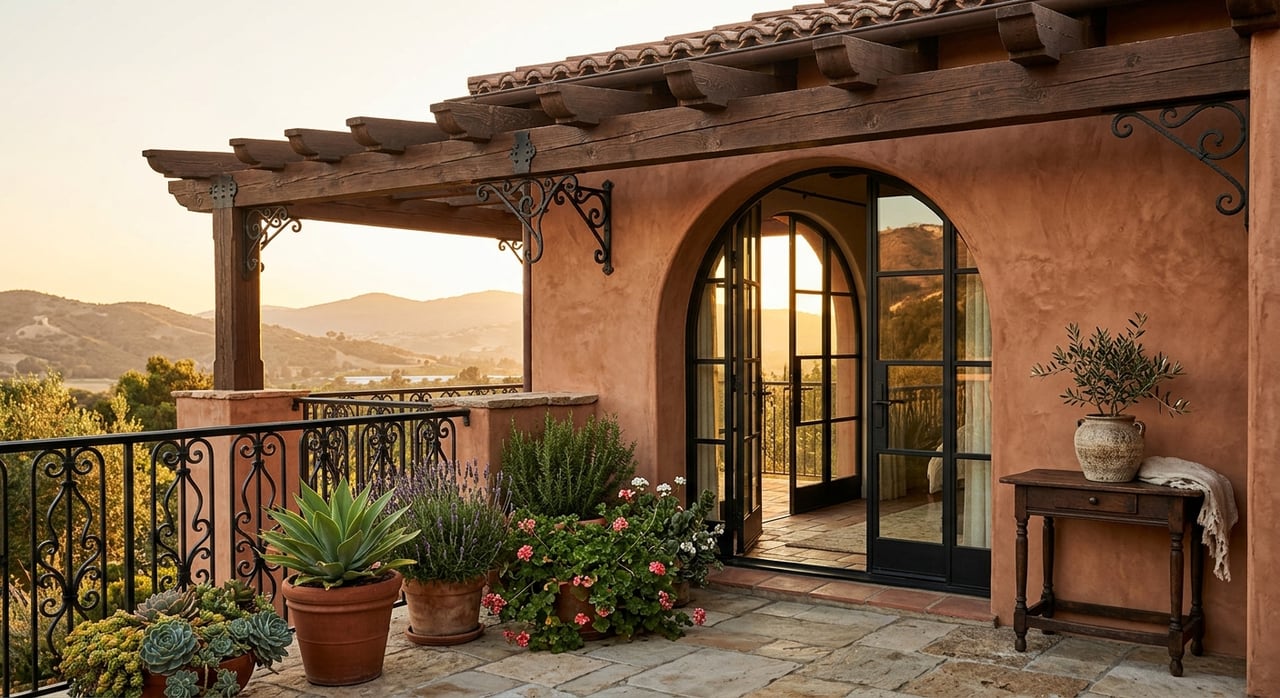
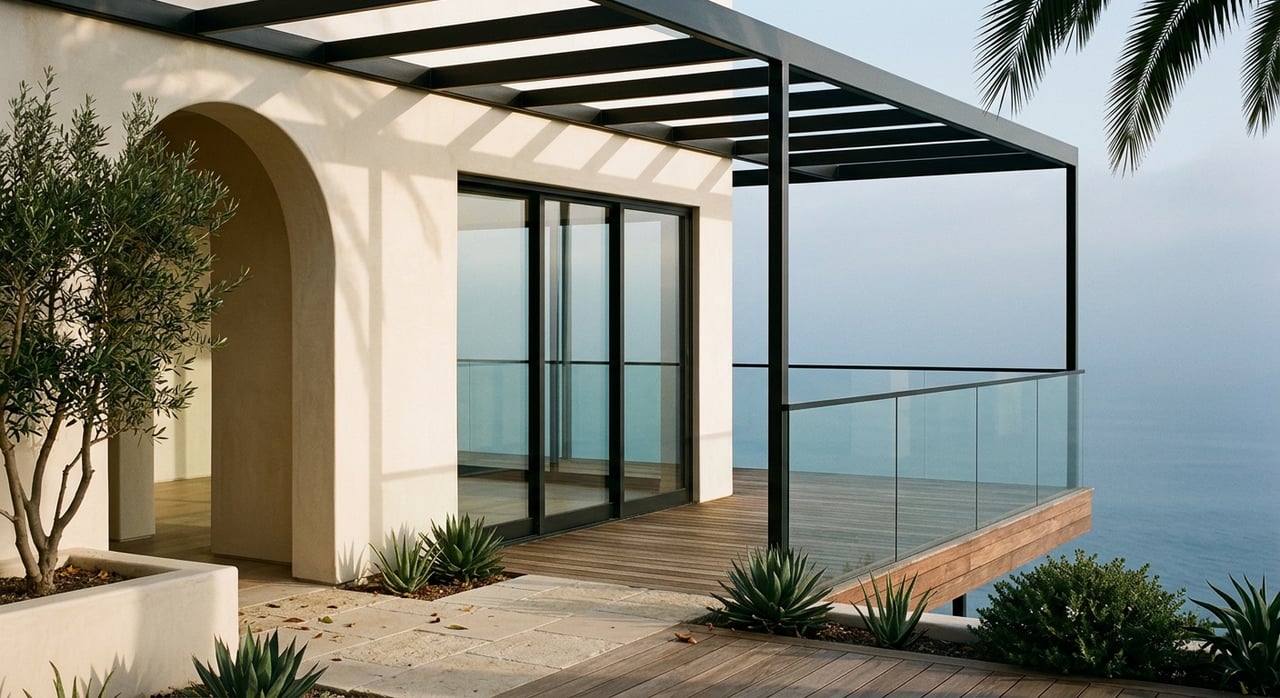
Santa Barbara’s Riviera sits above downtown on elevated foothills, and city materials note that this higher topography creates sweeping views of the city, ocean, and islands. That setting is a big part of why buyers are drawn here. The appeal is not just the home itself, but how the parcel interacts with the hillside.
The Riviera’s scenic character also has deep roots. City historic materials explain that the area’s modern identity took shape in the early 20th century, with development intentionally tied to its elevated setting. In other words, the neighborhood’s view appeal was built into its design from the start.
How elevation affects value
Not all Riviera views are the same. In this neighborhood, the premium often comes down to a mix of elevation, street alignment, and how a home sits on a sloped lot. Two homes on nearby streets can offer very different sightlines, privacy, and day-to-day function.
That is why it helps to think in micro-markets instead of treating the Riviera as one single category. A broader neighborhood stat may be useful, but your actual buying decision often comes down to one block, one lot, and one view corridor.
Lower Riviera vs hillside parcels
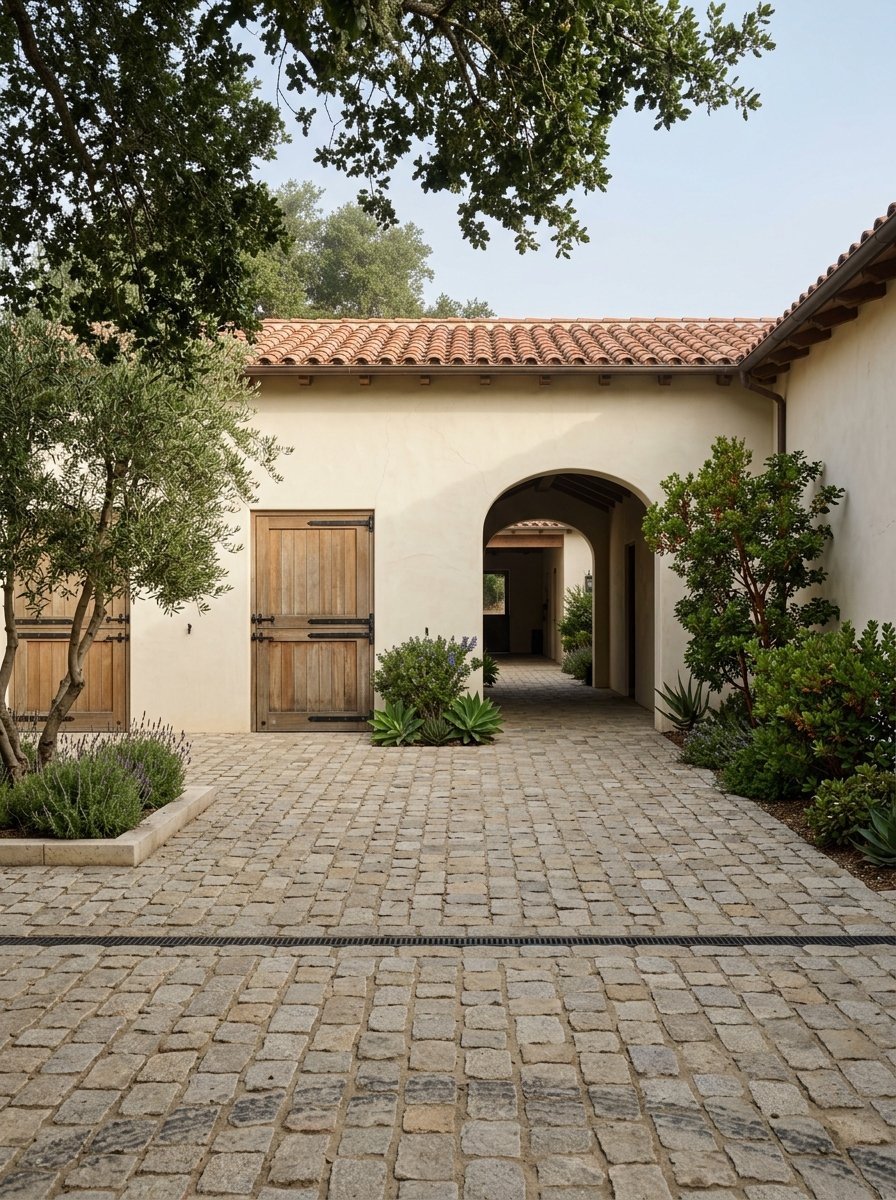
The Lower Riviera has a different feel from upper hillside areas. City design guidance describes the Lower Riviera as a collection of modest, mainly one-story bungalows in Craftsman and period-revival styles, often with open front porches, mature trees, and smaller garden-oriented lots. Here, charm, scale, and streetscape character can matter just as much as square footage.
By contrast, hillside parcels in the broader Riviera often place more focus on siting, slope, and visibility from public viewpoints. If you are shopping for a view home higher up, the lot itself may play a larger role in both present enjoyment and future planning.
What buyers should notice on a sloped lot
A beautiful view should not distract you from the practical realities of hillside living. The city’s historic survey notes that steep slopes helped shape the Riviera’s streets and lot patterns, and that still affects how homes function today. Access, parking, and outdoor usability can vary quite a bit from property to property.
As you tour homes, pay attention to how you actually live in the space. Consider whether parking feels easy, whether guests can arrive comfortably, and how deliveries or service access might work. On the Riviera, the best fit is usually a home where the site works as well as the view does.
Look at driveway and garage placement
In the Lower Riviera, city guidelines say garages and driveways should remain visually secondary and avoid dominating the front yard. That tells you something important as a buyer. Parking is not just a convenience issue here, it is part of the property’s overall character.
A driveway that feels too steep, too exposed, or too space-consuming may affect both daily use and resale appeal. Even if the view is stunning, it is smart to ask whether the access setup feels easy enough for the long term.
Pay attention to usable outdoor areas
On hillside lots, not every exterior space is equally usable. Stepped terraces, retaining walls, and narrow side yards may affect how much flat space you actually have for dining, gardening, or relaxing outdoors. The view may be wide, but the functional yard space may be limited.
This does not make a property less desirable by default. It simply means you should match the site to your lifestyle and expectations before you write an offer.
Design rules can shape your future plans
One of the biggest mistakes buyers make with view homes is assuming they can always remodel later with ease. In Santa Barbara, hillside and design district rules can add review layers that affect timeline, complexity, and cost. That does not mean change is impossible, but it does mean early research matters.
City design guidance emphasizes preserving natural topography and significant public scenic views of and from the hillside. For sloped sites, projects may need to minimize visible scarring and maintain hillside form. The city’s hillside housing checklist also encourages stepping buildings into the hill, limiting large paved areas, and reducing the apparent height of structures.
When extra review may apply
According to city materials, lots in the Hillside Design District or sites with an average slope of 15% or more can require additional findings. In the Hillside Design District, sites with an average slope of 20% or more trigger Single Family Design Board review, and grading thresholds are tighter than they are in flatter parts of the city.
For you as a buyer, that means future plans should be discussed early. If you are considering changes like expansion, grading, retaining walls, or height adjustments, review complexity should be part of your evaluation before you commit.
Lower Riviera design compatibility matters
In the Lower Riviera, design compatibility is a major theme. City guidelines say the special design district was created to keep new work compatible with the proposed Bungalow Haven Historic District at its core. In practical terms, scale, façade rhythm, and curb appeal can carry real weight.
If you are buying with renovation in mind, it helps to look at the home not only as it stands today, but also in the context of the street around it. A project that seems straightforward elsewhere may need a more careful approach here.
What the market is showing right now
The Riviera remains a high-price, limited-inventory neighborhood, but numbers vary depending on the source and what exactly is being measured. As of late spring and early summer 2026, Zillow reported an average Riviera home value of about $3.597 million and 11 homes for sale. Realtor.com showed 19 active listings, a median listing price of $3.1725 million, and 32 days on market in June 2026.
Redfin’s recent sold snapshot painted a slightly different picture, with a median sale price of $3.936 million, 26 days on market, and a somewhat competitive market. That difference is not unusual. Listing prices, estimated values, and closed sales each tell you something different, so it is best to read them as a range rather than one single answer.
View homes are a smaller subset
The Riviera view-home segment is even more specific. Redfin’s Riviera views page showed 15 homes with a view and a median list price of $2.3 million, with most taking 55 days to sell. Realtor.com’s Lower Riviera submarket data showed a median listing price of $2.35 million, below the broader Riviera median.
The takeaway is simple: view homes are not one uniform product. View quality, lot position, and location within the Riviera can shift pricing meaningfully, so direct property-level comparisons matter more than broad neighborhood averages.
Due diligence matters more than usual
With any home purchase, details matter. On the Riviera, they matter even more because slope, design controls, and visible additions can affect future flexibility. A careful review now can help you avoid surprises later.
One of the most useful early steps is checking permit history. The City of Santa Barbara says property records and archives can help identify discrepancies between existing site conditions and approved plans, and records may include permits, correspondence, maps, code-compliance documents, and plan-view requests.
Ask about permit history early
Before you write an offer, it is reasonable to ask whether visible changes were properly permitted. That can include additions, decks, retaining walls, garage changes, or window work. Since plans are viewable by appointment only, it helps to start this process sooner rather than later.
This step is about clarity, not alarm. A view property may be wonderful and still deserve a close look at what was built, when it was approved, and whether the current condition aligns with the city record.
Clarify district and review status
Another smart question is whether the property is in the Hillside Design District, the Lower Riviera Special Design District, or both. That single point can shape how you think about future work, maintenance decisions, and resale positioning.
You may also want to ask what kinds of changes could trigger Single Family Design Board review later. Roof changes, grading, retaining walls, and height increases are the types of issues worth discussing early in the process.
A smart Riviera buying approach
When you buy on the Riviera, it helps to balance emotion with structure. The view may be what gets you excited, but the lot geometry, access, and modification rules are often what define long-term satisfaction. Looking at all three together gives you a much stronger buying lens.
A practical approach usually includes these steps:
- Compare the quality and orientation of the view, not just whether a home is labeled a view property
- Evaluate driveway ease, garage placement, guest access, and day-to-day function
- Ask which design district rules may apply to the parcel
- Review whether slope or grading could affect future remodel plans
- Check permit history for visible exterior changes before you remove contingencies
- Compare the home against true Riviera micro-market alternatives, not only broad neighborhood averages
Why local guidance helps on the Riviera
The Riviera is one of those neighborhoods where small details can have outsized impact. A lot that looks similar on paper may feel very different in person once you consider access, grade, street presence, and future flexibility. That is where local, property-specific guidance becomes especially valuable.
If you want help evaluating a Riviera view home with both lifestyle and resale in mind, Tiffany Charbonneau offers hands-on Santa Barbara guidance with the clear communication and attention to detail this kind of purchase deserves.
FAQs
What makes a Riviera view home different from other Santa Barbara homes?
- Riviera view homes are shaped heavily by elevation, slope, street alignment, and lot siting, so the view is only one part of the property’s value and function.
What should you check before buying a Riviera hillside home?
- You should review permit history, ask whether the property is in the Hillside Design District or Lower Riviera Special Design District, and evaluate access, parking, and future remodel feasibility.
Why do Riviera home prices vary so much by property?
- The Riviera behaves like a set of micro-markets, so pricing can change significantly based on view quality, lot position, neighborhood pocket, and whether the numbers reflect listings, estimates, or closed sales.
Can remodeling a Riviera view home be more complicated?
- Yes, city materials show that hillside parcels and sloped lots may require extra findings or design review, especially when grading, height, retaining walls, or other visible changes are involved.
Why is driveway and garage layout important on the Riviera?
- Because steep slopes and design guidance make parking and access part of the home’s function and visual character, not just a simple utility feature.