If you are wondering what daily life in Santa Barbara really feels like, the short answer is this: it is a city where the coast, the mountains, downtown, and historic neighborhoods all shape your routine in a very real way. Whether you are planning a move, looking for a second home, or simply comparing communities along the South Coast, it helps to understand how Santa Barbara functions beyond the postcard view. This guide walks you through climate, outdoor living, local culture, housing character, and the everyday rhythm that makes the city distinctive. Let’s dive in.
Santa Barbara at a Glance
Santa Barbara is officially described by the city as a place nestled between the mountains and the sea, and that setting is central to how the city lives and feels. You are never very far from the waterfront, a trailhead, a historic street, or a downtown destination.
The climate is another major part of the appeal. According to NOAA’s 1991 to 2020 normals for the Santa Barbara station, the annual mean temperature is 62.5°F, with average highs of 71.9°F and lows of 53.2°F.
Rainfall follows a classic winter-wet, summer-dry pattern. NOAA reports about 18.98 inches of precipitation per year, with the highest rainfall in January and February and near-zero rainfall in July and August.
Hot weather is relatively limited by California standards. The same NOAA data shows only about 5.2 days per year at or above 90°F and just 0.4 days at or above 100°F, with no measurable snow in a typical year.
Outdoor Living Is Part of Daily Life
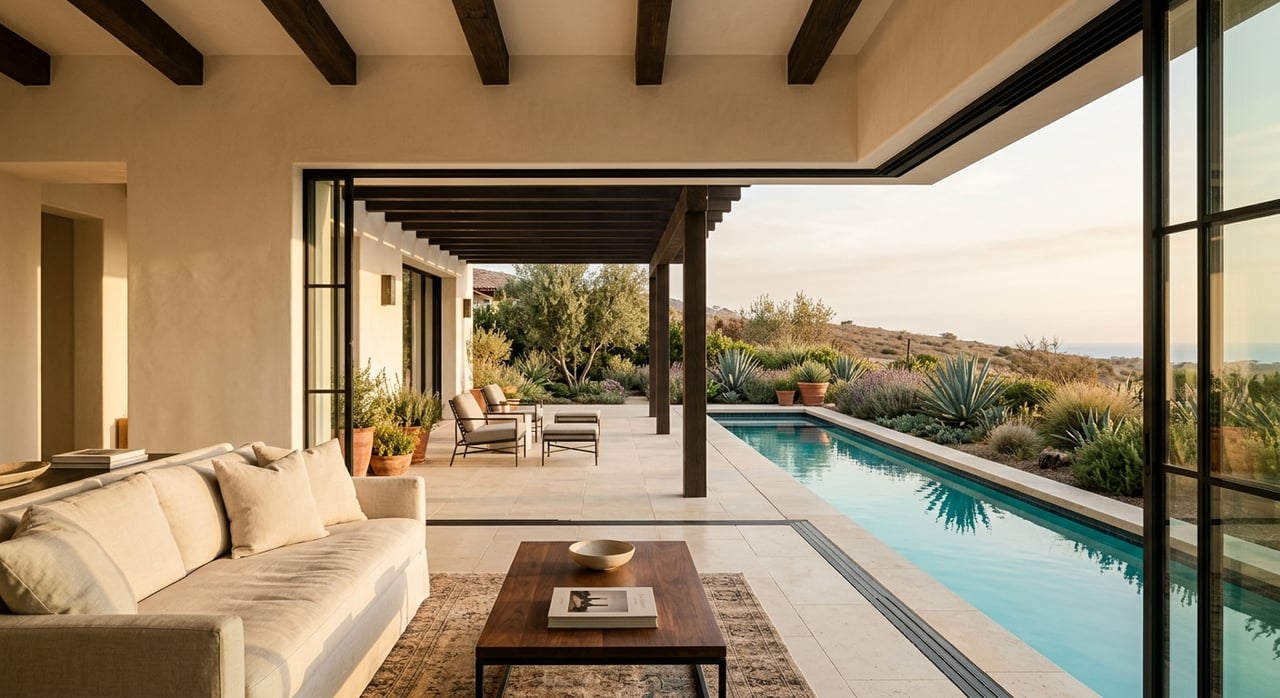
One of the clearest things about living in Santa Barbara is that outdoor access is not just occasional recreation. It is part of the city’s daily environment and one of the reasons many buyers are drawn here.
The southern edge of the city includes four miles of beaches, including East Beach, West Beach, Leadbetter Beach, Shoreline Park, and access points in the Mesa area like Mesa Lane and Thousand Steps. The waterfront also centers on the Harbor and Stearns Wharf, which keeps the coastline active and connected to everyday life.
Santa Barbara Parks and Recreation manages 1,810 acres of parkland, 6 miles of beachfront, and 35 miles of trails in the Santa Ynez Mountains. That range gives you options whether you prefer a quick walk near the water or more of a trail-based routine.
Beaches for Everyday Use
Leadbetter Beach is a good example of how practical Santa Barbara’s coastline can be. The city describes it as a beach between the Harbor and Shoreline Park with picnic and barbecue sites, showers, restrooms, a grassy lawn, and paid parking.
It is also known as a popular spot for beginning surfers and windsurfers. Walking, jogging, and sunbathing are common there too, which speaks to the relaxed, mixed-use nature of many local outdoor spaces.
The broader waterfront supports kayaking, stand-up paddleboarding, sailing, surfing, swimming, whale watching, walking, and windsurfing. For accessibility, the city also offers two free beach wheelchairs at East Beach.
Parks and Trails Beyond the Shore
If you want more than beach access, Santa Barbara offers strong variety inland as well. Douglas Family Preserve is a nearly 70-acre open space on the Mesa with bluff trails and ocean views.
Rattlesnake Canyon Park is a 452-acre hiking and equestrian destination that connects with other front-country trails. That means your routine can shift easily between the waterfront and the foothills, depending on the day and the season.
Downtown Has an Active, Local Feel
Santa Barbara’s downtown is not just a shopping district. It functions as a social, cultural, and civic hub, which matters if you want a city where errands, dining, events, and public space all come together.
State Street plays a major role in that experience. City materials outline promenade rules for pedestrians, bicyclists, and wheeled devices, and the city continues to work through an active State Street Master Plan process.
For residents, that means downtown remains an evolving public space with a strong emphasis on how people move through and use it. The result is a center city environment that feels active and community-oriented.
Dining and Markets
Downtown dining includes the Santa Barbara Public Market, a food hall focused on locally sourced food and drink with independent kitchens and community events. If you value casual variety and a local feel, it is one of the places that helps define the downtown experience.
Farmers markets are another important part of the weekly rhythm. Santa Barbara Certified Farmers Market currently lists a Tuesday State Street market and a Saturday downtown market, giving you recurring ways to shop local and stay connected to the broader community.
Arts and Cultural Traditions
Santa Barbara also offers a strong mix of arts and history. Downtown options include the Santa Barbara Museum of Art, which serves about 150,000 visitors annually, MCASB, a free contemporary arts institution downtown, and the Santa Barbara Historical Museum, which also offers free admission.
On the waterfront, the Santa Barbara Arts & Crafts Show takes place every Sunday. Participating artists must be Santa Barbara County residents who create their own work, which gives the event a distinctly local identity.
Old Spanish Days Fiesta is another long-standing part of the city’s cultural life. The city history page notes the first Santa Barbara Fiesta in 1899, and current city communications continue to frame it as a celebration of the city’s cultural heritage and traditions.
Santa Barbara Homes Have Distinct Character
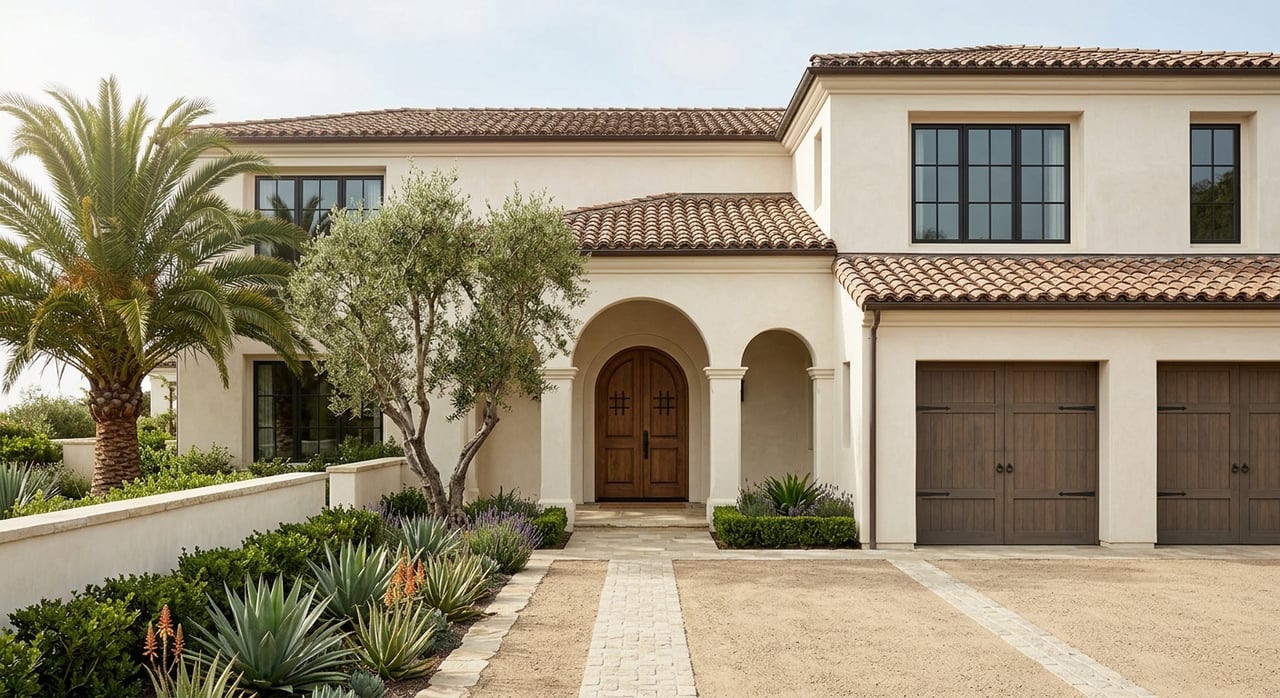
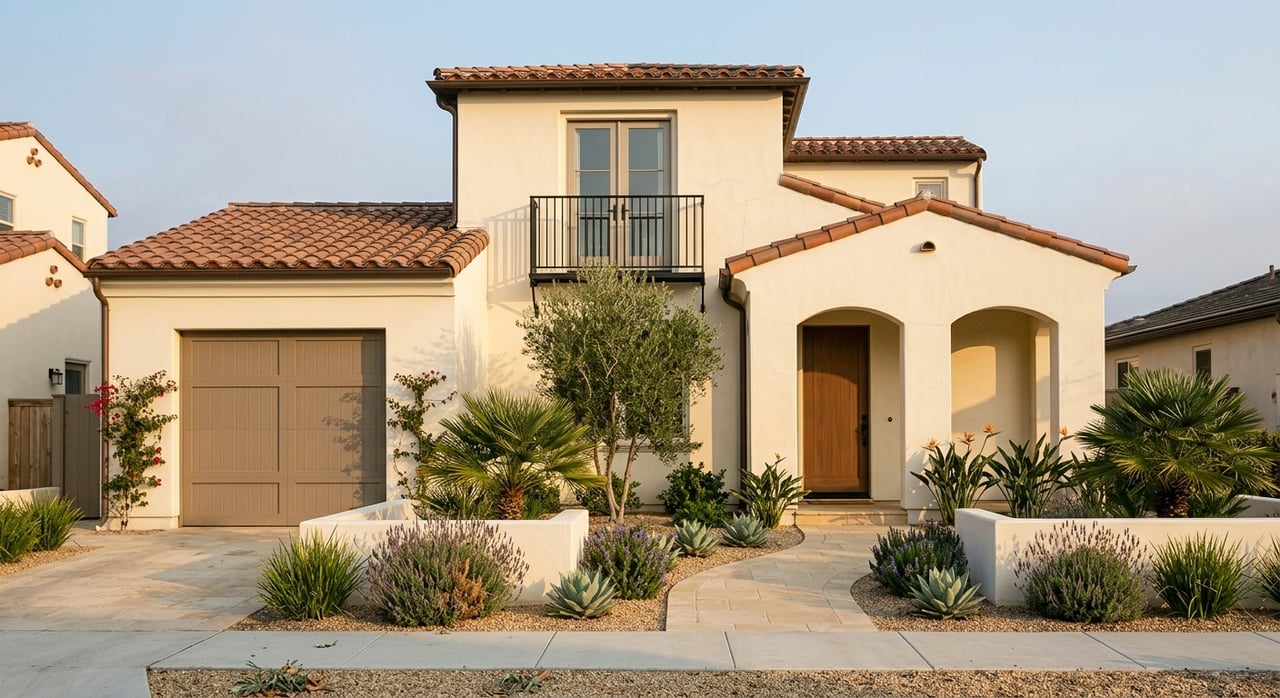
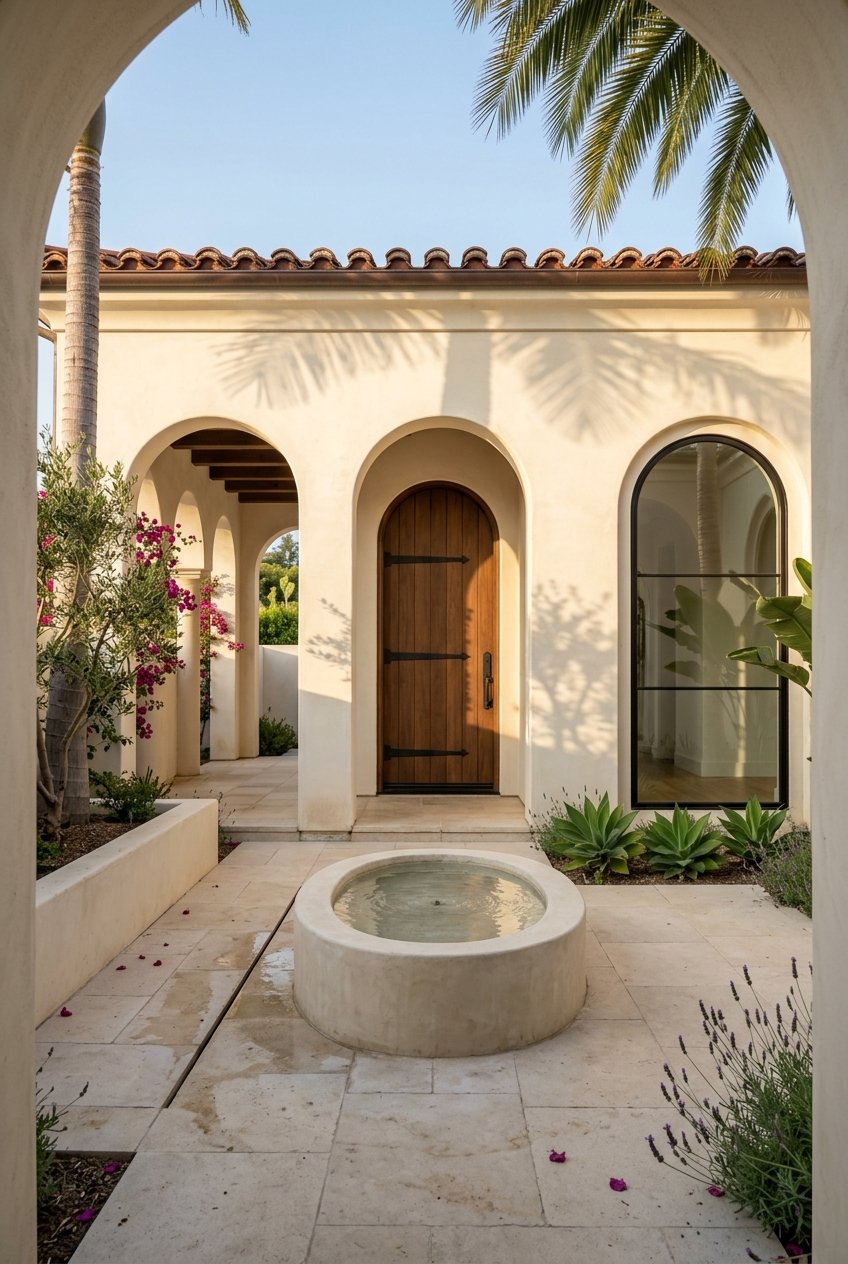
If housing style matters to you, Santa Barbara stands out for its strong architectural identity. The city’s historic architectural style guide highlights a wide range of building types that shape the local streetscape, including Adobe, Craftsman, English Vernacular and Tudor, Folk Victorian, Italian Mediterranean, Italianate, Mission Revival, Queen Anne, Spanish Colonial Revival, and Stick styles.
That architectural depth is one reason many buyers feel a strong sense of place here. Homes and commercial areas often reflect a design language that feels tied to local history rather than interchangeable development.
Historic Areas and Streetscapes
The city notes that Santa Barbara’s business district is defined by Spanish Colonial Revival and Mediterranean Revival architecture. Nearby residential areas vary, from Victorian styles on the Lower West Side to period-revival homes on upper State Street, more ornate revival styles on the Upper East Side, and a significant collection of Craftsman houses throughout the city.
El Pueblo Viejo Landmark District covers the State Street commercial corridor, Cabrillo Boulevard along the beach, and the Mission area. According to the city, the district includes adobes, Victorians, Spanish Colonial Revival buildings, and some mid-century modern structures.
For buyers, this means Santa Barbara often appeals to people who care not just about square footage, but also about setting, style, and neighborhood atmosphere. For sellers, the city’s architectural identity can be an important part of how a home is understood and presented.
What Daily Life Can Look Like
A useful way to think about living in Santa Barbara is that many of the city’s lifestyle elements overlap. Beaches, trails, downtown public space, markets, museums, and historic neighborhoods are not separate attractions spread far apart. They are part of the same everyday environment.
That can shape your schedule in simple ways. You might start with a walk near Shoreline Park, run errands or meet friends downtown, stop by a weekly market, and still be minutes from a trail or the harbor.
This is especially important if you are relocating and trying to picture how the city feels when you are not on vacation. Santa Barbara supports an outdoors-oriented routine, but it also offers enough culture, history, and civic activity to feel layered and livable year-round.
Is Santa Barbara the Right Fit for You?
Santa Barbara may be a strong fit if you want a city where coastal access, moderate weather, and local character play a visible role in daily life. It can also appeal if you value historic architecture, public outdoor space, and a downtown that functions as more than a business district.
Like any move, the right fit depends on your priorities. Some buyers focus on walkability to downtown amenities, some want closer access to the coast, and others care most about architectural style or proximity to trail systems and open space.
That is where local guidance becomes especially valuable. In a place as specific as Santa Barbara, small differences in location can shape how you experience the city day to day.
If you are considering a move to Santa Barbara or thinking about selling a home here, working with someone who understands both the market and the lifestyle can make the process much more clear. To start the conversation, connect with Tiffany Charbonneau.
FAQs
What is the weather like in Santa Barbara year-round?
- Santa Barbara has a mild climate, with NOAA reporting an annual mean temperature of 62.5°F, average highs of 71.9°F, average lows of 53.2°F, about 18.98 inches of annual precipitation, and no measurable snow in a typical year.
What outdoor activities are available in Santa Barbara?
- Santa Barbara offers beaches, harbor access, kayaking, stand-up paddleboarding, sailing, surfing, swimming, whale watching, walking, windsurfing, parkland, and 35 miles of trails in the Santa Ynez Mountains managed by the city’s Parks and Recreation department.
What are some popular beaches in Santa Barbara?
- City waterfront materials highlight East Beach, West Beach, Leadbetter Beach, Shoreline Park, and Mesa access points such as Mesa Lane and Thousand Steps.
What is downtown Santa Barbara known for?
- Downtown Santa Barbara is known for State Street, the Santa Barbara Public Market, weekly farmers markets, museums, and an active public-space environment shaped in part by the State Street promenade and master planning process.
What architectural styles are common in Santa Barbara homes?
- The city identifies several common local styles, including Adobe, Craftsman, Mission Revival, Spanish Colonial Revival, Italian Mediterranean, Victorian-era styles, Tudor, and other period-revival architecture.
What makes Santa Barbara different from other coastal California cities?
- Based on city and local cultural sources, Santa Barbara stands out for the way beaches, trails, downtown public space, markets, museums, and historic architecture all function together as part of everyday life.